Odors in Water: Common Causes and Solutions for Wisconsin Homes
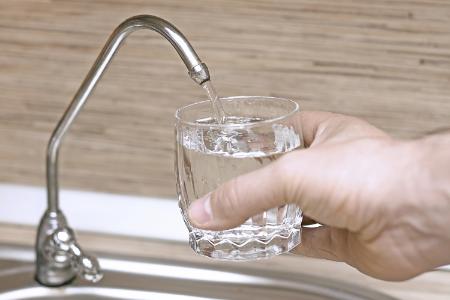
Unpleasant smells in your tap water can be frustrating and concerning, but odors are usually a symptom, not a direct health threat. Homeowners across Wisconsin often notice sulfur, musty, chlorine, or metallic smells caused by naturally occurring compounds, plumbing reactions, or water treatment byproducts. This guide explains why water odors occur, how to identify the source, and which treatment options work best for homes in La Crosse and the surrounding Coulee Region.
Caveats & Clarifications
Before addressing water odor issues, it’s important to understand what these smells do and do not mean:
- Odor itself isn’t a contaminant. It indicates chemical reactions, dissolved gases, or biological activity in the water or plumbing system.
- Odors can originate from the water source, the plumbing system, or existing water treatment equipment, especially if filters or softeners are not properly maintained.
- Different smells require different diagnostic tests. A rotten egg smell is not always hydrogen sulfide. In some cases, it comes from sulfate-reducing bacteria inside a water heater.
- Municipal and well water behave differently:
- City water may have chlorine or chloramine odors from disinfection.
- Private wells often experience sulfur, musty, or earthy smells tied to groundwater conditions.
- Odors can vary with temperature, stagnation, or aeration. If water smells stronger in the morning or only when hot, that helps narrow down the cause.
- Odors often appear alongside other issues like staining, taste changes, or corrosion, so it’s important not to assume there is only one problem.
Why Does My Water Smell?
Water odors usually fall into a few recognizable categories, each pointing to a likely cause.
| Odor Type | Common Source | Likely Cause |
|---|---|---|
| Rotten Eggs / Sulfur Smell | Wells, hot water heaters | Hydrogen sulfide gas or sulfate-reducing bacteria |
| Musty / Earthy / Swampy | Wells, surface water | Organic matter, algae, or bacterial growth |
| Bleach / Chemical / Pool Smell | City water | Residual chlorine or chloramine |
| Metallic or Rusty Odor | Old plumbing, well water | Iron or manganese oxidation or corrosion |
| Fishy / Medicinal | Municipal treatment | Chloramines or phenolic compounds |
| Sewage or Decay Smell | Drains | Biofilm buildup in sink drains rather than the water itself |
Hydrogen sulfide and bacterial odor problems in private wells are considered aesthetic issues, but they can still corrode plumbing and make water unpleasant to use.
Source: https://dnr.wisconsin.gov/topic/DrinkingWater/QualityProblems.html
Common Sources of Water Odors in Wisconsin Homes
- Groundwater sulfur: Many wells in western and central Wisconsin, including La Crosse County, tap aquifers with sulfur-bearing minerals that release hydrogen sulfide gas.
- Iron or manganese bacteria: These bacteria feed on naturally occurring minerals and produce organic byproducts that smell musty or swampy.
- Water heaters: Magnesium anode rods can react with sulfates in water, creating sulfur odors that are strongest in hot water.
- Chlorine treatment byproducts: Municipal water supplies use chlorine or chloramine, which can cause bleach-like or medicinal smells.
- Organic surface contamination: Wells near wetlands, farmland, or decaying vegetation may develop earthy or algae-like odors.
Diagnosing the Odor Source
- Determine whether the smell is in hot water, cold water, or both.
- Hot water only often points to a water heater issue.
- Both hot and cold water usually indicate a source water or plumbing issue.
- Schedule professional water testing through Water Testing.
- Testing typically includes hydrogen sulfide, sulfate, iron, manganese, and coliform bacteria.
- pH and total dissolved solids help identify corrosion or bacterial conditions.
- Inspect the plumbing and treatment equipment.
- Check well caps, vents, and areas where water may stagnate.
- Inspect filters, softeners, and carbon cartridges for slime buildup or clogging.
- Evaluate chlorine odors in city water.
- Chlorine levels may be within safe EPA limits but still noticeable.
- Persistent odors are often improved with carbon filtration.
If odors are persistent or worsening, scheduling a professional evaluation early can prevent corrosion, damage, and unnecessary repairs.
Treatment & Solutions
| Odor Type / Cause | Recommended Treatment | How It Works | Interlink |
|---|---|---|---|
| Hydrogen Sulfide (Rotten Eggs) | Chlorine Oxidation, Aeration, or Carbon Filtration | Oxidizes sulfur gas and adsorbs remaining odor compounds | Chlorine Reduction / Canister Carbon Filters |
| Iron or Manganese Bacteria | Shock chlorination or Iron Filtration System | Kills bacteria and filters oxidized minerals | Iron Filtration |
| Water Heater Odors | Anode rod replacement, tank flush, disinfection | Stops sulfate-reducing reactions inside the heater | Water Conditioning Systems Repair & Maintenance |
| Chlorine or Chemical Smell | Whole-Home Carbon Filtration | Removes chlorine and chloramine taste and odor | Chlorine Reduction |
| Musty / Earthy Odor | Reverse Osmosis or Carbon Filtration | Removes organic compounds and algae byproducts | Reverse Osmosis |
| Metallic or Corrosive Odor | Acid Neutralizer | Raises pH and reduces metal leaching | Acid Neutralizer |
Maintenance & Best Practices
- Replace carbon filters or media according to manufacturer schedules, usually every 6 to 12 months.
- Disinfect softeners and filters annually to prevent bacterial regrowth.
- Flush water heaters regularly to remove sediment and odor-causing bacteria.
- Retest water after installing treatment and at least once per year.
- Inspect well caps and seals, especially after heavy rainfall or flooding.
Risks of Inaction
- Persistent sulfur can corrode plumbing and tarnish silverware.
- Bacterial slime can clog filters, softeners, and fixtures.
- Corrosive conditions may shorten the lifespan of appliances and plumbing.
- Odors can discourage water use and mask other water quality issues.
- Ongoing odor problems may negatively affect property value or inspections.
What Wisconsin Homeowners Should Know
- Sulfur odors are common in drilled wells that tap sulfide-rich formations such as the St. Peter and Prairie du Chien aquifers.
- Iron bacteria thrive in warm, stagnant water, which is common in private wells throughout La Crosse County.
- Chlorine odor complaints often increase during seasonal municipal maintenance when disinfection levels are temporarily raised.
- Wisconsin Administrative Code NR 812 governs proper well construction and sealing to reduce contamination and odor risks.
Water Conditioning Done Right Contact Maxwell-White Water Conditioning, LLC Today!
FAQs
Why does my well water smell like rotten eggs?
This smell is usually caused by hydrogen sulfide gas or sulfur-reducing bacteria in the well or water heater. It is common in private wells and often becomes stronger in hot water.
Can sulfur in water make me sick?
At typical household levels, sulfur odors are considered an aesthetic issue rather than a health hazard. However, the odor can make water unpleasant and sulfur compounds can corrode plumbing.
How do I remove the chlorine smell from tap water?
A whole-home or point-of-use carbon filter is one of the most effective ways to reduce chlorine and chloramine odors in municipal water.
Why does my hot water smell worse than cold water?
Hot water odors often come from the water heater. Magnesium anode rods can react with sulfates, producing hydrogen sulfide gas that smells stronger when heated.
Do water softeners remove bad odors?
Water softeners are not designed to remove odors. Some odors may seem reduced temporarily, but proper treatment usually involves carbon filtration, oxidation, or disinfection.
What filter removes hydrogen sulfide?
Hydrogen sulfide is commonly treated using oxidation methods such as chlorine injection or aeration, followed by carbon filtration to remove remaining odor.
What causes a musty or earthy smell in well water?
Musty or earthy odors are often caused by organic matter, algae, or bacteria in the well, plumbing system, or filters.
How often should I replace carbon filters?
Most carbon filters should be replaced every 6 to 12 months, depending on water quality, usage, and manufacturer recommendations.
Next Steps for Eliminating Water Odors
If you’re dealing with unpleasant water odors, the first step is identifying the source. You can start by scheduling professional testing through Water Testing.
Based on your results, targeted solutions may include:
- Chlorine Reduction for sulfur or chemical odors
- Canister Carbon Filters for taste and odor control
- Reverse Osmosis for drinking water improvements
- Water Conditioning Systems Repair & Maintenance to address equipment-related odor issues
Sources
Choosing the Right Water Conditioning System for Your La Crosse Home! Contact Maxwell-White Water Conditioning, LLC Today!